
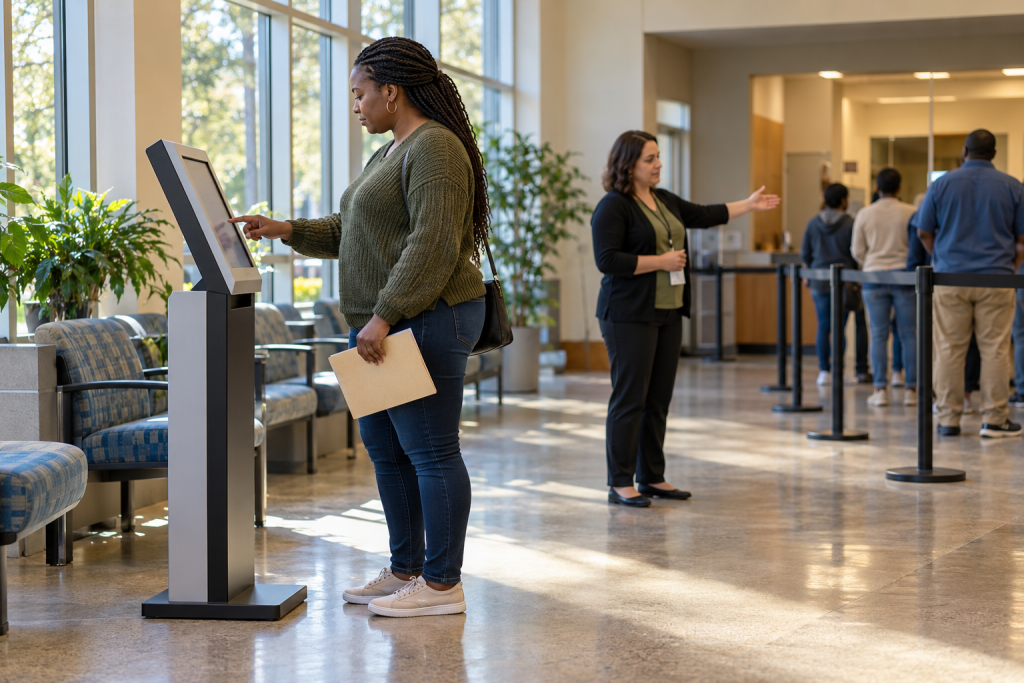
South Carolina benefits are administered through several separate systems. SNAP and Temporary Assistance for Needy Families (TANF) applications run through the Department of Social Services, while Healthy Connections Medicaid, WIC, child care scholarships, energy help, housing programs, and unemployment insurance each have their own process. This guide explains where to begin, what to prepare, and how to follow a case without confusing one agency with another.
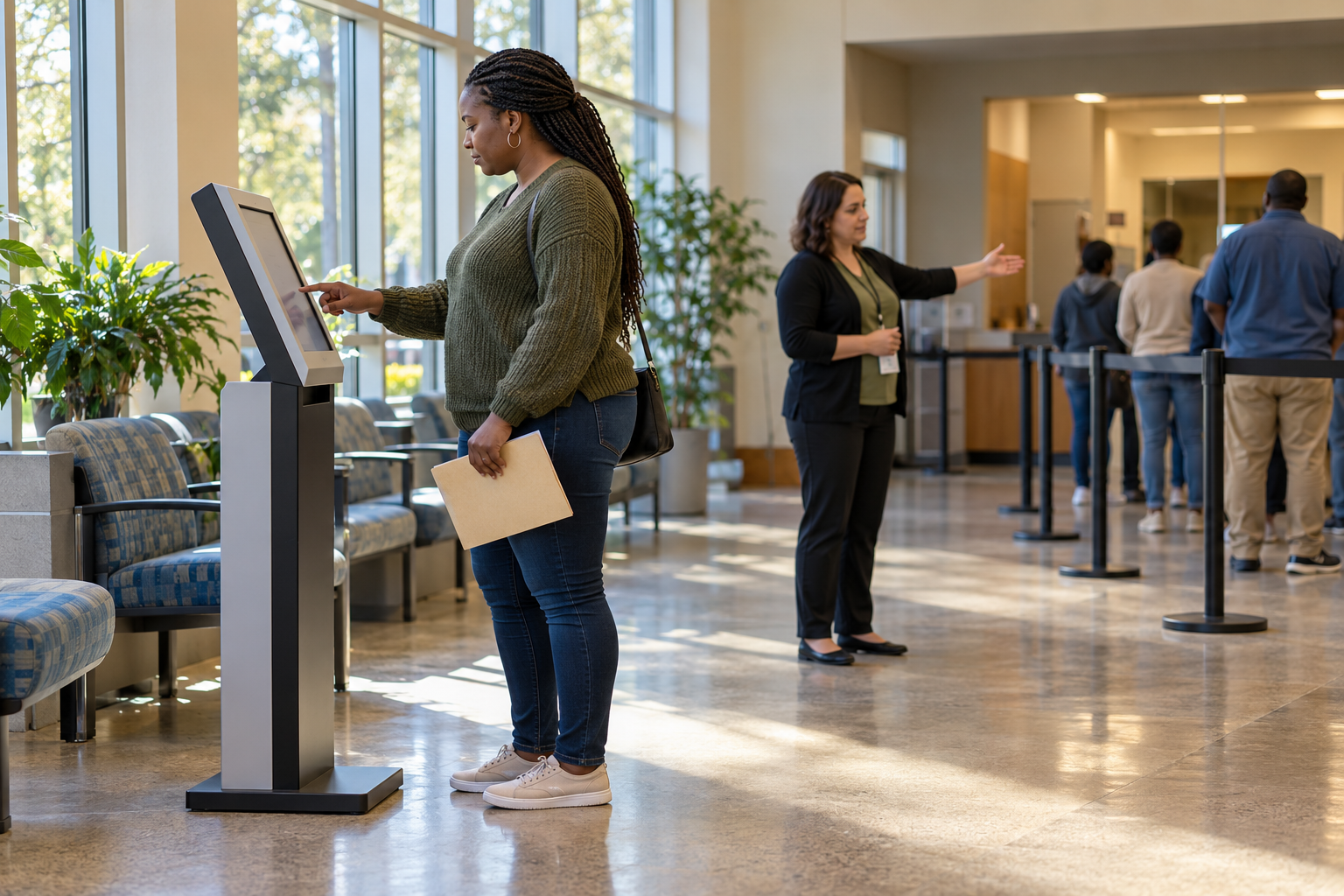
Reviewed September 29, 2026. Program rules, funding, application windows, and waiting lists can change. Use the official links in each section and confirm current requirements before relying on an older notice or social-media post.
South Carolina Benefits at a Glance
- Food assistance: SNAP helps eligible households buy groceries. Apply through the South Carolina DSS Benefits Portal or a county DSS office.
- Health coverage: Healthy Connections Medicaid covers eligible children, pregnant people, parents and caretaker relatives, older adults, and people with disabilities. Apply through SCDHHS, not the DSS food-and-cash portal.
- Cash assistance: TANF, also associated with South Carolina’s Family Independence services, provides temporary cash help and employment support to eligible families with children.
- Nutrition for pregnancy and early childhood: WIC provides nutrition education, breastfeeding support, referrals, and approved foods for eligible participants.
- Child care: The Child Care Scholarship Program pays approved providers for eligible families, subject to current funding and application rules.
- Energy: LIHEAP assistance is handled by local Community Action Agencies and depends on eligibility, need, and available funds.
- Housing: Housing Choice Vouchers and public housing are managed through local housing agencies; open waiting lists vary by place and time.
- Unemployment: The Department of Employment and Workforce accepts claims and requires continuing weekly certifications.
Before You Apply: Build One Verification File
Most delays begin with missing, unreadable, or inconsistent information. Keep one secure folder for documents and a simple log of every submission, phone call, and deadline. Do not send original documents unless an agency specifically instructs you to do so.
Identity and household records
- Photo identification when available
- Social Security numbers or other requested identification numbers for people applying
- Birth certificates, immigration documents, or proof of lawful status when a program requests them
- Proof of South Carolina residence, such as a lease, utility record, or official mail
- Names, dates of birth, and relationships for household members
Income and employment records
- Recent pay stubs and the employer’s contact information
- Self-employment ledgers, invoices, and allowable business expense records
- Benefit letters for Social Security, SSI, veterans benefits, pensions, unemployment, or child support
- A written explanation of a recent job loss, reduced hours, or irregular work schedule
- Bank or resource information when requested by the program
Housing, care, and utility records
- Lease or mortgage statement and current rent amount
- Electric, gas, or other home-energy bills showing the account holder and service address
- Child care schedule, provider information, and proof of work, school, or training activity
- Medical bills, health insurance information, and disability-related records when relevant
- Any shutoff, eviction, foreclosure, or court notice, including every page
Use the same facts on every application
Programs define a household differently, but names, addresses, income dates, and employer information should not conflict without an explanation. If someone temporarily lives elsewhere, shares food costs, or has changing custody, describe the arrangement accurately instead of guessing which answer will help.
Start With the Correct Application System
South Carolina does not use one universal portal for every benefit. Choosing the right system at the beginning prevents duplicate applications and lost time.
DSS Benefits Portal for SNAP and TANF
Use the South Carolina DSS Benefits Portal to screen for and apply for SNAP and TANF. Paper, mail, fax, secure drop box, and in-person options are also available through county DSS offices. Save the confirmation page or submission number.
Healthy Connections for Medicaid
Apply for Medicaid from the Healthy Connections Getting Started page, which provides the current official online application link and approved mail, email, and in-person options. Do not assume a SNAP application automatically opens a Medicaid case.
Separate systems for WIC, child care, energy, housing, and unemployment
These programs require separate action. A household may qualify for several, but approval by one agency does not guarantee approval by another. Use the specific application link in each section.
SNAP Food Assistance
SNAP helps eligible households buy food from authorized retailers. South Carolina DSS reviews household composition, income, expenses, and other program rules. An online screening result is only an estimate; the county office makes the eligibility decision.
How to apply
Apply online through the DSS Benefits Portal. The official SNAP application page also provides routes to apply in person or send an application to a county office by mail or fax. Submit the application promptly even if some verification is still being gathered, then respond to the exact document request.
Interview and verification
DSS may schedule an interview and ask about who buys and prepares food together, income, shelter costs, utilities, and other circumstances. Keep voicemail active, open notices immediately, and record the date and name of anyone who receives documents.
Current work-rule caution
Federal SNAP work requirements changed in 2026. South Carolina DSS states that some able-bodied adults without dependents ages 18 through 64 may need to work or participate in qualifying activities for at least 80 hours per month to receive benefits beyond the time-limited period, unless an exemption applies. The time limit is generally three months in a 36-month period. Adults caring for children ages 14–17 may also be subject to the requirement unless another exemption applies. Because exemptions and implementation details matter, read the current DSS work-requirement notice and ask the caseworker to document any exemption.
After approval
Protect the EBT card and PIN, check purchases regularly, and report suspected theft immediately. Complete recertification and any interim report on time. A benefit that appeared last month is not proof that the next certification was completed.
Healthy Connections Medicaid and Children’s Coverage
Healthy Connections Medicaid includes different eligibility groups. Children, pregnant people, parents and caretaker relatives, older adults, and people with disabilities may be evaluated under different rules. A denial for one pathway does not always answer whether another pathway applies.
Application options
The online application is usually the fastest route. SCDHHS also permits a printable application and in-person help. The Healthy Connections Member Contact Center is 888-549-0820, with TTY at 888-842-3620. SC Thrive may assist with applications and coverage screening.
Children and pregnancy
Children’s coverage and pregnancy coverage can have different limits and procedures from adult coverage. SCDHHS advises pregnant applicants that medical care may be available while an application is pending; call Healthy Connections for case-specific guidance. Do not delay prenatal care while waiting for a mailed decision.
Renew every year and report changes
Healthy Connections eligibility is reviewed annually. SCDHHS may renew coverage automatically using available information; those members receive a notice and do not need to complete an annual review form. If a form or additional information is requested, return it by the deadline. Keep contact details current and ask SCDHHS promptly about any closure or missing renewal.
Managed care and using coverage
Many members enroll in a managed care plan. After approval, confirm the effective date, plan, primary-care provider, pharmacy rules, and transportation or specialist procedures. Eligibility approval and appointment availability are separate issues.
South Carolina WIC
WIC supports eligible pregnant, postpartum, and breastfeeding participants, infants, and children under age five. Services can include nutrition counseling, breastfeeding support, referrals, and approved foods. WIC and SNAP serve different purposes and may be used together when a household qualifies.
How to start
Use the South Carolina WIC page to complete the pre-application or call 855-472-3432 to schedule an appointment. Appointments may be in person or by phone, and some clinics offer walk-in hours.
Prepare for the appointment
WIC identifies proof of identity, residence, and income as core items and may need measurements and bloodwork. Ask the clinic what can be completed remotely and what must be obtained in person. Bring medical or formula information only when it is relevant to the participant’s needs.
Use benefits accurately
Benefits are loaded to an eWIC account for approved foods. Review the current food list, keep appointment reminders, and contact the clinic before a certification period ends. A retailer’s shelf label is helpful but does not override the current benefit balance.
Child Care Scholarship Program
The Child Care Scholarship Program, formerly called the SC Voucher Program, pays participating child care providers for eligible families so parents can work or meet other approved activity requirements.

Check the current application category before making plans
Effective October 1, 2026, families can join the Child Care Scholarship Program wait list through the DSS Benefits Portal. Joining the wait list is not an approval or a promise of immediate payment. Read the current SC Child Care notice for eligibility and next steps.
Family and provider approval are separate
Prepare proof of the child’s age and relationship, work or training schedule, income, and the hours care is needed. Confirm that a provider participates in the scholarship program and has space. A family approval does not require a particular provider to accept the placement.
Ask about family fees and start dates
Before care begins, confirm the authorized schedule, the date payment can start, any family copayment, and charges not covered by the scholarship. Get changes in writing and report changes in work, school, household, or provider promptly.
TANF Cash Assistance and Employment Services
South Carolina’s TANF program provides temporary cash assistance and employment-related support for qualifying low-income families with children. DSS states that participating adults generally receive case management, employment and training opportunities, and may be subject to participation requirements and time limits unless exempt.
Apply through DSS
Apply through the DSS Benefits Portal or a county DSS office. The official TANF page also explains options to submit an application and verification by mail, fax, secure drop box, or county email. Call 800-616-1309 to request forms by mail or ask about an existing SNAP/TANF case.
Build a realistic participation plan
Tell the caseworker about transportation, disability, caregiving, domestic violence, unstable housing, or child care barriers. Do not simply miss an activity. Ask whether an exemption, accommodation, good-cause decision, or revised plan may apply and request written confirmation.
Verify current grant amounts
DSS publishes maximum grant examples, but a household’s actual payment depends on its size, countable income, and case details. Confirm the current amount on the written eligibility notice instead of budgeting from a general example.
LIHEAP Home Energy Assistance
South Carolina LIHEAP helps eligible households with home heating or cooling costs. The state Office of Economic Opportunity funds local agencies, but it does not accept household applications itself.
Apply through the agency serving your county
Use the OEO Find Help directory to locate the Community Action Agency for your county. Ask about the current application window, appointment method, required bills, household income period, and emergency priorities.
What LIHEAP does not promise
The official South Carolina LIHEAP page states that assistance is not intended to pay a household’s energy costs for a whole year, season, or month. Qualification does not guarantee payment when funds are exhausted, and LIHEAP does not pay water or sewer charges.
If service is off or shutoff is near
Contact the local agency and utility immediately. Keep the disconnect notice, account number, service address, and proof of the most recent payment. Ask the utility what amount or arrangement is required to stop disconnection; an LIHEAP appointment alone may not suspend utility action.
Weatherization Assistance
Weatherization is separate from bill assistance. It may provide eligible households with energy-efficiency measures after an assessment, subject to property eligibility, program priorities, and funding. Apply through the local agency listed on the OEO Weatherization Assistance page. Do not assume LIHEAP approval guarantees a repair or equipment replacement.
Housing, Rent, and Shelter Resources
There is no single statewide application that guarantees a voucher or immediate apartment. South Carolina Housing, local public housing agencies, HUD-assisted properties, and nonprofit programs serve different areas and populations.
Search for subsidized properties
The South Carolina Housing renters page links to HUD’s search tools for income-restricted and subsidized apartments. Contact each property directly to ask whether it has vacancies, a waiting list, an application fee, and accessibility features.
Housing Choice Vouchers are local
SC Housing administers vouchers in Clarendon, Colleton, Dorchester, Fairfield, Kershaw, Lee, and Lexington counties. Other areas are served by local public housing agencies. Waiting lists may open or close without much notice, so use official agency pages and keep contact details current after applying.
If eviction or homelessness is immediate
Call 211 for local shelter, rapid rehousing, rent, utility, and legal referrals. A voucher waiting list is not an emergency placement system. If there is a court date, contact South Carolina Legal Services or another qualified legal provider promptly and bring the full lease and every notice.
Avoid housing scams
Do not pay someone who promises to move your name up a public waiting list. Verify the agency domain and telephone number independently. South Carolina Housing warns that the SC Stay Plus emergency rental assistance program is closed and is not reopening; solicitations claiming otherwise are not endorsed by the agency.
South Carolina Unemployment Insurance
Unemployment insurance is temporary income for eligible workers who are unemployed through no fault of their own and meet continuing requirements. File through the South Carolina Department of Employment and Workforce rather than through DSS.
File a claim promptly
Use the DEW Applying for Benefits page to reach MyBenefits and review the filing steps. Enter employers, work dates, separation reasons, and wages accurately. Do not wait for an employer to tell you whether to file; DEW decides eligibility.
Certify every week
A new application does not create automatic weekly payments. DEW requires weekly certifications and says a week must be certified within 14 days after it ends. Report every hour worked and all wages earned for that week, even if payment arrives later.
Complete work-search requirements
Follow the current DEW and SC Works instructions for work searches, registration, availability, and suitable work. Keep a dated record of employer contacts and activities. Continue certifying while an eligibility issue or appeal is pending unless DEW instructs otherwise.

If a claim is delayed or denied
Read the determination to identify the issue and appeal deadline. Upload the specific evidence requested, not unrelated paperwork. Save screenshots of certifications and messages. If returning to part-time work, continue to report wages; stopping certifications and hiding earnings can both create problems.
Help for Older Adults, Adults With Disabilities, and Caregivers
GetCareSC, maintained by the South Carolina Department on Aging, helps residents search by ZIP code for transportation, meals, home care, medical supplies, caregiver support, adult day services, and insurance counseling. Call 800-868-9095 for toll-free help.
Describe the need, not only a program name
When calling, explain whether the person needs meals, bathing assistance, transportation, respite care, Medicare counseling, a home-safety evaluation, or help remaining at home. A navigator can identify local providers even when the caller does not know the correct program name.
Financial and functional reviews may be separate
Long-term services may evaluate income and resources as well as daily-living needs. Keep medical records and provider contact information available, but do not send protected health information through an ordinary contact form unless the agency confirms a secure method.
Tax Filing and Free Preparation
Use the South Carolina Department of Revenue individual income tax page for current state filing instructions and official notices. For federal filing, begin with IRS Free File or the IRS VITA and TCE locator.
Special 2026 South Carolina deadline notice
SCDOR extended the filing deadline for 2025 South Carolina individual income tax returns to October 15, 2026. This did not extend the payment deadline: at least 90% of the 2025 tax liability was due April 15, 2026 to avoid penalties under the notice. This is a year-specific filing extension. Check SCDOR for your return and any outstanding payment.
Prepare a complete tax file
Bring photo identification, Social Security or ITIN documents for everyone on the return, wage and benefit statements, dependent information, child care records, health insurance forms, and last year’s return. Never sign a blank return or allow a preparer to route a refund to an unfamiliar account.
Emergency and Community Help
South Carolina 211 provides free, confidential information and referrals around the clock for food, shelter, housing, utilities, health care, child care, employment support, disaster assistance, and other local needs. Call 211 or use the online directory. Call 911 for immediate danger and 988 for a mental health or suicide crisis.
A Practical Order for Applying
- Address immediate safety first. Contact 911, 988, 211, a shelter, utility, or legal service when there is immediate danger, homelessness, shutoff, or a court deadline.
- Submit time-sensitive income support. File unemployment after work ends and SNAP or TANF when household income drops.
- Protect health coverage. Apply for Medicaid promptly and answer renewal requests before coverage closes.
- Contact appointment-based programs. Schedule WIC and call the local Community Action Agency for LIHEAP.
- Plan child care early. Check whether the relevant scholarship category is currently accepting applications and locate participating providers.
- Apply to several legitimate housing lists. Record each confirmation and keep the housing agency updated.
How to Prevent Avoidable Delays
Submit complete, readable pages
Photograph documents flat, in good light, with all corners visible. Include the back of a notice when it contains instructions. Name files by document and month rather than uploading multiple files called “image.”
Answer the question the notice actually asks
If the agency requests the last four weeks of wages, do not substitute a bank statement without explanation. If a document does not exist, write a short factual statement and ask what alternative verification is accepted.
Confirm receipt
A successful upload screen is evidence of submission, not proof that a worker reviewed the document. Save the confirmation and follow up through the official portal or telephone number before the deadline when possible.
Update every agency separately
Changing an address with DSS does not necessarily update SCDHHS, DEW, WIC, a housing agency, or a Community Action Agency. Report changes to each active program.
Appeals and Fair Hearings
If benefits are denied, reduced, delayed, or closed, read the entire notice. It should identify the action, reason, effective date, appeal method, and deadline. Request an appeal using an accepted method and keep proof. Ask whether benefits can continue during an appeal and what repayment risk may apply if the decision is upheld.
Preserve the case record
Keep the application, notices, submitted documents, call log, and names of agency staff. Write a short timeline. Appeals are easier to explain when dates and documents are organized.
Common Mistakes to Avoid
- Using the DSS food-and-cash portal for a Medicaid application
- Assuming one application covers WIC, child care, LIHEAP, housing, and unemployment
- Relying on an old income chart or social-media deadline
- Treating a child care or housing waiting list as an approval
- Assuming a LIHEAP appointment stops a utility shutoff
- Missing weekly unemployment certifications while a claim is reviewed
- Ignoring an annual Medicaid review or SNAP recertification
- Paying a person who promises priority on a public housing list
Frequently Asked Questions
Can I apply for SNAP and TANF together?
Yes. The DSS Benefits Portal supports food and cash assistance applications. Each program still makes its own eligibility decision.
Does a SNAP application also apply for Medicaid?
No. Apply for Healthy Connections through SCDHHS. Keep confirmation numbers from both systems if applying for both programs.
Can my household receive both SNAP and WIC?
Yes, if eligible for both. SNAP helps with a broader grocery budget, while WIC provides specific foods, nutrition services, and referrals for qualifying participants.
Is the Child Care Scholarship Program accepting every category?
Families can join the Child Care Scholarship Program wait list effective October 1, 2026. A wait-list request does not guarantee immediate assistance. Check the current SC Child Care notice and follow the DSS Benefits Portal instructions.
Will LIHEAP pay my entire utility bill?
Usually not. The state says LIHEAP is not designed to cover a full year, season, or even an entire month’s energy cost, and payment depends on funding and case factors.
Where do I apply for Section 8?
Apply through the public housing agency serving the desired area. SC Housing directly administers vouchers in seven named counties; other counties have local agencies. Confirm that a waiting list is open before sending personal information.
Do I keep filing weekly unemployment certifications while waiting?
Generally, yes. Continue certifications and required work-search activities unless DEW instructs otherwise. Missing a week can prevent payment for that week even if the underlying claim is later approved.
What if I do not have every requested document?
Submit the application by the program deadline and ask what alternative proof is accepted. Never create or alter a document. Explain why the usual record is unavailable.
Where can I get help when I do not know which program fits?
Call 211 for local referrals. Older adults, adults with disabilities, and caregivers can also call GetCareSC at 800-868-9095.
Key South Carolina Contacts
- SNAP and TANF: DSS Benefits Portal; case and form line 800-616-1309
- Healthy Connections Medicaid: 888-549-0820; TTY 888-842-3620
- WIC: 855-472-3432
- Child Care Scholarship: SC Child Care Scholarship help at 800-476-0199
- LIHEAP and weatherization: Local Community Action Agency through the OEO county directory
- Housing: South Carolina Housing renters page and the local public housing agency
- Unemployment: South Carolina DEW MyBenefits and claimant resources
- Aging and disability resources: GetCareSC, 800-868-9095
- Emergency and local referrals: 211
Related Guides
- North Carolina Benefits Guide 2026
- Georgia Benefits Guide 2026
- Tennessee Benefits Guide 2026
- Virginia Benefits Guide 2026
Final Application Checklist
- Use the correct portal for each program
- Save confirmation numbers and screenshots
- Complete interviews, appointments, and weekly certifications
- Respond to verification requests by the notice deadline
- Keep addresses and telephone numbers current with every agency
- Confirm child care, LIHEAP, and housing availability before making commitments
- Appeal promptly if a written decision appears incorrect

