

Reviewed October 21, 2026. This guide explains where to apply for California food, health, cash, housing and energy assistance, and which follow-up tasks keep an application moving. It also separates current rules from future changes and seasonal benefits.
For CalFresh, Medi-Cal or CalWORKs, start with BenefitsCal or your county benefits office. Housing assistance, utility assistance and tax credits have additional routes. Requesting several programs does not produce one shared eligibility decision.
Match the problem to the application
| Need | First route | Important distinction |
|---|---|---|
| Groceries | CalFresh through BenefitsCal or the county | A food benefit does not pay overdue rent. |
| Health coverage | BenefitsCal, the county or Covered California | Each family member can have a different coverage result. |
| Cash assistance for a family | CalWORKs through the county | Cash aid and CalFresh have different program requirements. |
| Rent or shelter | Local housing agency; county CalWORKs office when applicable | A voucher waiting list and urgent shelter assistance are different routes. |
| Heating or cooling bill | Local LIHEAP provider through California CSD | A pending assistance request is not a utility payment agreement. |
| Tax credit | California Franchise Tax Board and a state tax return | BenefitsCal does not claim CalEITC for you. |
CalFresh: apply, complete the interview, then follow the right reporting task
CalFresh is California’s SNAP food-assistance program. It is state-supervised and county-operated. An online application goes to an eligibility process; it is not an approval or an immediate card payment.
Do not postpone the application just because your document folder is unfinished. The state’s initial application instructions say you can begin the CalFresh process by giving the county your name, address and signature. You still need to complete the interview and provide requested verification. If food and money are running out, ask the county to screen you for expedited service: qualifying households may receive CalFresh within three calendar days.
Check the 2026 work-rule notice rather than assuming the rule applies to everyone
CDSS says work and community-engagement changes began June 1, 2026 for some recipients ages 18–64. Exemptions and county waivers matter. Ask the county whether the rule applies to your case, whether an exemption was considered and what evidence it needs. A statement that every working-age recipient automatically loses benefits would be misleading.
SAR 7 and renewal are separate from uploading a document
If the county sends a SAR 7, identify the report month and the submit month. They are different. Los Angeles County’s reporting guide explains the distinction and the need to complete, sign and submit the report. Use your own county’s notice for your assigned cycle and due date; exceptions can affect reporting requirements.
For example, a request for information about one month may not be answered by a pay stub from a different month. Compare dates before sending another copy. This is an illustrative checking method, not an account of a real applicant’s case.
Our practical take: protect the first step and the next deadline
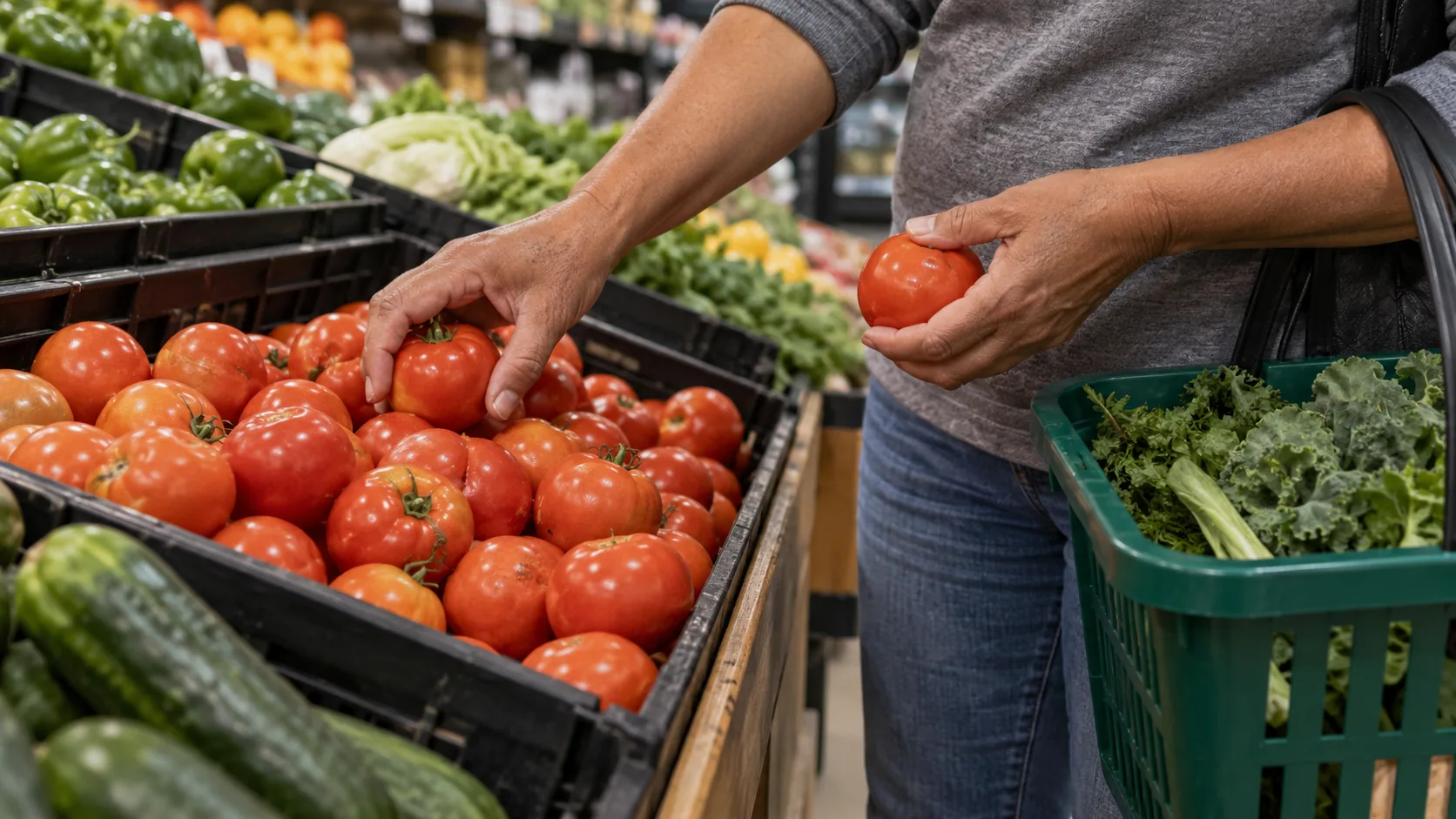
Editorial analysis, not a personal application story: When groceries are running out, prioritize starting the county application and asking about expedited-service screening instead of waiting for a perfect document folder. Then track the interview, any verification request and any assigned SAR 7 or renewal separately. This keeps an urgent application from being delayed by preparation, while still recognizing that the first submission does not finish the case.
For an existing case, compare the month named in the request with the month covered by your evidence before uploading another copy. That is usually a more focused first question than asking only why the portal still says something is pending.
Medi-Cal and Covered California: distinguish application, renewal and rule changes
Covered California’s Medi-Cal guide explains that a shared application checks eligibility for both programs. A family can have different results for different members. Keep each person’s notice and coverage information together; an adult’s result does not establish a child’s result.
Medi-Cal enrollment is available year-round. Covered California enrollment depends on open enrollment or a qualifying special-enrollment opportunity. If job-based insurance ends, use the official major-life-change guidance promptly to check the applicable window and next step.
What changed in 2026, and what is still ahead?
According to DHCS’s current Medi-Cal changes page, a January 1, 2026 enrollment freeze prevents some adults from newly enrolling in full-scope coverage because of their immigration status. People already enrolled can keep coverage if they renew on time and remain eligible. This is different from a statement that all immigrants have lost Medi-Cal.
DHCS identifies exceptions, including children under 19, pregnancy and one year after pregnancy, and certain former foster youth under 26. Its immigration-status chart gives more detailed distinctions. Ask the county to assess the actual category that applies to each person rather than relying on a broad label.
The DHCS timeline also describes changes scheduled for 2027. As of this review, a future effective date should not be presented as a rule already in force. If you receive a transition or renewal notice, check its effective date, the person affected and the instructions for keeping coverage.
Keep a family coverage record
A useful private record has one line per person: application or case number, coverage program, notice date, renewal deadline and unresolved request. If a parent and child receive different letters, follow each letter’s instructions. This organization method helps you ask a precise question without assuming that one portal status applies to the whole family.
CalWORKs: ask about both ongoing aid and immediate family needs
CalWORKs provides cash aid and services to eligible California families and operates through county welfare departments in all 58 counties. The amount and requirements depend on the family. An application for food assistance does not mean every cash-assistance step has been completed.
If the family needs help immediately, describe the actual situation to the county instead of asking only when a regular monthly payment might arrive. Ask whether short-term assistance or another CalWORKs service applies, which documents are needed and what action the county expects next.
Keep interview, verification and participation instructions separate. If a required activity is difficult because of a specific circumstance, explain it and ask the county how it should be evaluated. Do not assume a generic checklist covers the requirements of your case.
Housing: choose the route for shelter now or rent support over time
For a Housing Choice Voucher, use HUD’s tenant guide and linked housing-agency directory. Local public housing agencies handle applications, and waiting lists can be long. Ask which list is accepting applications, whether it covers the area you need and how to keep your contact details current.
Keep a confirmation for each waiting list. Being listed does not reserve an apartment or mean a voucher has been issued. After selection, additional paperwork and housing approval steps remain.
CalWORKs families: ask specifically about Homeless Assistance
CalWORKs Homeless Assistance serves eligible recipients or apparently eligible applicants who are homeless or at risk of homelessness. The state describes temporary shelter help for up to 16 days, generally once every 12 months with exceptions, and certain costs of securing or maintaining housing. Apply through the county CalWORKs office; the state identifies form CW-42 as part of the process.
For a current rent or shelter crisis, also seek local referrals through United Way 211. Tell the provider the notice date and immediate deadline. A referral or waiting-list application does not itself stop an eviction process or guarantee funds.
LIHEAP: identify the local provider and the kind of help needed
California’s LIHEAP guidance distinguishes one-time energy-bill assistance, crisis help and weatherization. Limited funding means eligibility alone does not guarantee assistance.
Use CSD’s service-provider finder to locate the agency serving your address. Explain whether you have an unpaid bill, a disconnection notice, no service or an ongoing problem with high energy costs. Ask what service is available and which documents or appointment are required.
Keep the latest bill, account details and any shutoff notice available when contacting the provider. Contact the utility separately about payment arrangements while assistance is pending. Ask when it needs to receive a payment or confirmation; submitting an application should not be treated as a promise that the account is protected.
Our practical take: separate an urgent bill from an efficiency project
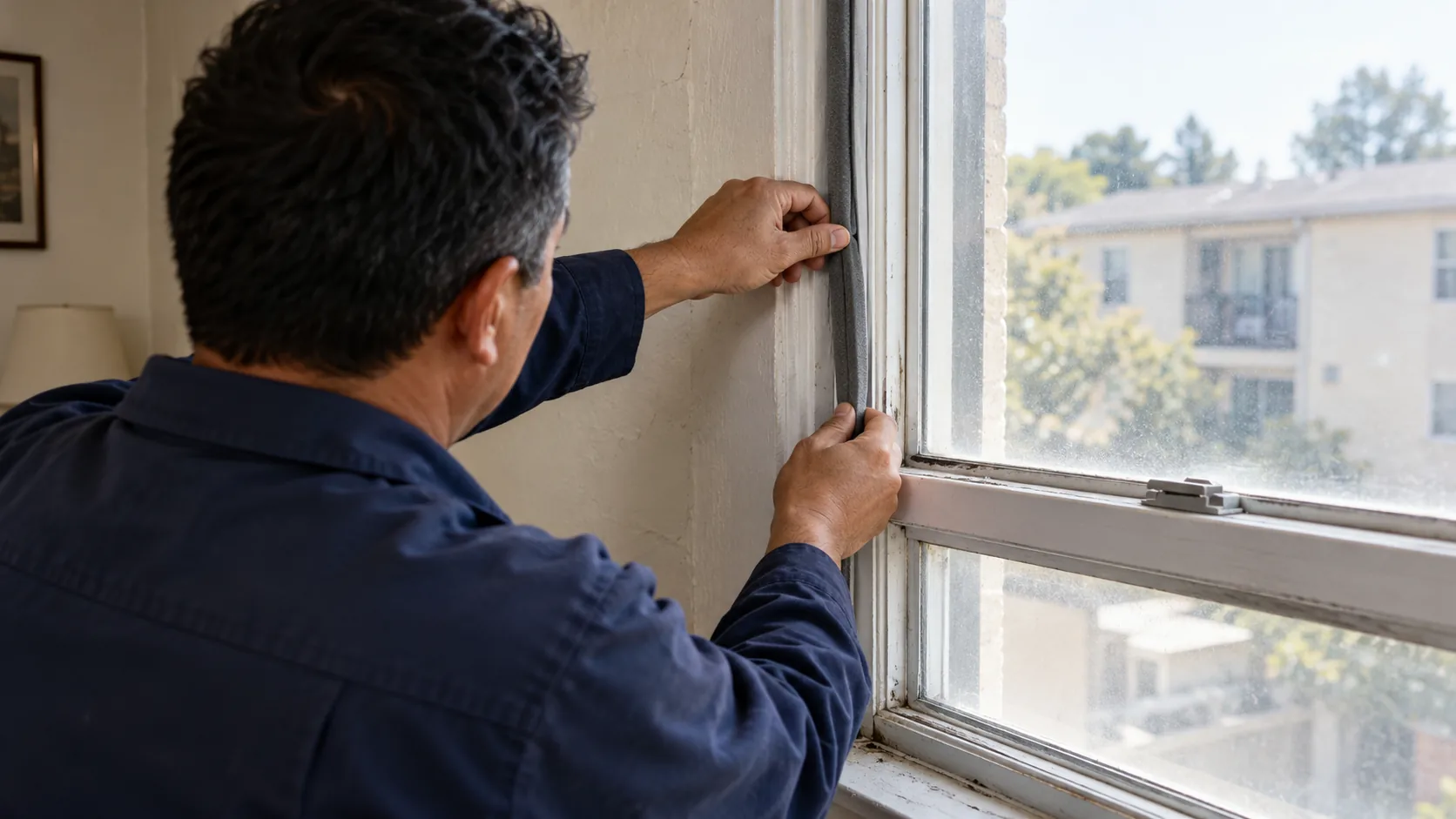
For a bill or disconnection deadline, identify the local bill-assistance or crisis route first and speak to the utility about the pending account. Ask about weatherization separately when high ongoing costs are also a problem. An assessment for efficiency work should not be treated as an agreement that an urgent bill has been paid.
Public-source check, October 23, 2026: We checked CSD’s public LIHEAP guidance, which distinguishes one-time bill help, crisis assistance and weatherization. This confirms the program distinctions; it does not verify appointments, local funding or a service for a particular home.
CalEITC: match the credit to the tax year on the return
The Franchise Tax Board’s CalEITC page lists a maximum credit of $3,756 and an earnings ceiling of $32,900 for tax year 2025. These are not a promise that every worker below that amount receives the maximum. Other eligibility conditions and the credit calculation apply.
To claim the credit, file a California income-tax return and use the appropriate FTB 3514 form or follow the tax software’s instructions. A return filed in 2026 may concern tax year 2025; the year in this article’s title does not change the form you need.
FTB also explains prior-year refund claims and links to eligibility information and a calculator. If you missed a credit, check the relevant year’s rules and refund time limit before filing or amending. A possible tax refund should not be counted as money available for a bill due immediately.
SUN Bucks: the 2026 application deadline has passed
The 2026 benefit is $120 per eligible child. California’s 2026 SUN Bucks instructions set August 31, 2026 as the application deadline for children who were not automatically eligible. The school processes the application; it should not be sent directly to CDSS or the Department of Education. Automatically eligible children do not need a separate application.
For a card already issued, the useful task now is checking the funds’ load date and balance. CDSS says SUN Bucks must be used within 122 days after loading; expired funds cannot be restored. Do not calculate the spending deadline from the beginning of summer or assume every child’s card has the same deadline.
If you expected a card but have not received it, use the official page’s cardholder and claim-status routes. For ongoing grocery needs, check CalFresh separately rather than treating SUN Bucks as a year-round application.
After applying: a short checklist for the next action
- Identify the exact program and person. A family may have several requests moving at different speeds.
- Check what was actually submitted. Keep the confirmation for the application, report or uploaded document.
- Match evidence to the request. Check the name, month, pages and deadline before sending another copy.
- Read the decision. A request for information, a renewal reminder and a denial require different responses.
- Ask a focused question. “Which item remains outstanding, where should I send it, and when must you receive it?”
If you disagree with a decision, use the review or hearing instructions on the notice promptly. Ask about any earlier date for continuing benefits during review and the consequences in your case. Starting over with another application does not answer the question of how to challenge an existing decision.
Keep personal case numbers, identity documents and notices in your private records and official agency channels. FactBob does not need those documents to explain general application routes.
Sources, editorial scope and corrections
The linked CDSS, DHCS, Covered California, CSD, FTB and HUD pages are the primary sources for the program explanations above. Los Angeles County’s reporting guide illustrates SAR terminology; readers elsewhere should follow their own county’s assigned cycle and notice. United Way 211 provides local referrals.
This review checked application routes, selected 2026 changes and the explicitly dated tax and seasonal information. It does not certify an individual’s eligibility, current local funding, an open housing waiting list or every future policy change. Confirm those details with the responsible agency.
FactBob is an independent information site and does not process applications. See our editorial responsibility and corrections policy, or use the state guides directory for another state.


Pingback: New York Benefits Guide 2026