Reviewed October 21, 2026. Virginia’s CommonHelp handles applications for several benefits, but health coverage, child care follow-up, housing and unemployment can involve different offices. Use this guide to choose the right route, prepare for upcoming changes and understand what remains after an application is submitted.
Two dates matter this autumn: a SNAP beverage-purchase change is scheduled for November 1, 2026, while new Medicaid Expansion work and renewal requirements begin in 2027. Neither headline means every Virginia benefit is ending.
Choose the office that owns your next task
| Your need | Start here | Keep separate |
|---|---|---|
| Food, cash or energy assistance | CommonHelp or your local social services department | Each program’s verification and decision |
| Medicaid or FAMIS | DMAS application options, including CommonHelp | Eligibility, renewal and health-plan questions |
| Child care subsidy | CommonHelp and Child Care VA | Renewals, changes, authorization and provider arrangements |
| Rental subsidy | Local housing agency through HUD’s voucher guide | Waiting-list intake and rent due now |
| Unemployment insurance | Virginia Employment Commission | Initial application and weekly certification |
The state’s CommonHelp guide explains screening, applying, status checks and reporting changes. Screening is an estimate, not approval. Keep your submission confirmation; creating an account or saving an unfinished form is not the same as applying.
SNAP: an eligibility case and a shopping restriction are different
Start with Virginia’s SNAP guidance and CommonHelp. The local department determines eligibility and may request an interview or evidence. EBT card management is separate from that determination: a checkout problem does not by itself establish that your case was closed.
Virginia’s SNAP Healthy FAQ says carbonated, sweetened beverages become ineligible for SNAP purchases in Virginia on November 1, 2026. Its examples include regular, diet and artificially sweetened soda and carbonated energy drinks. At this review the change is upcoming. This is not a ban on every beverage, nor does this purchase change itself reduce the household’s SNAP amount or change its eligibility.
The FAQ says no new customer paperwork is required for the checkout change. For an item that cannot be paid with SNAP, use another payment method or choose an eligible alternative. That issue is different from a missing deposit, a damaged card or an adverse eligibility notice; describe the actual problem when seeking help.
For WIC, use the Department of Health’s separate application and appointment instructions. Ask your local WIC office what to bring for each person applying. An existing SNAP case does not replace WIC’s intake and nutrition assessment.
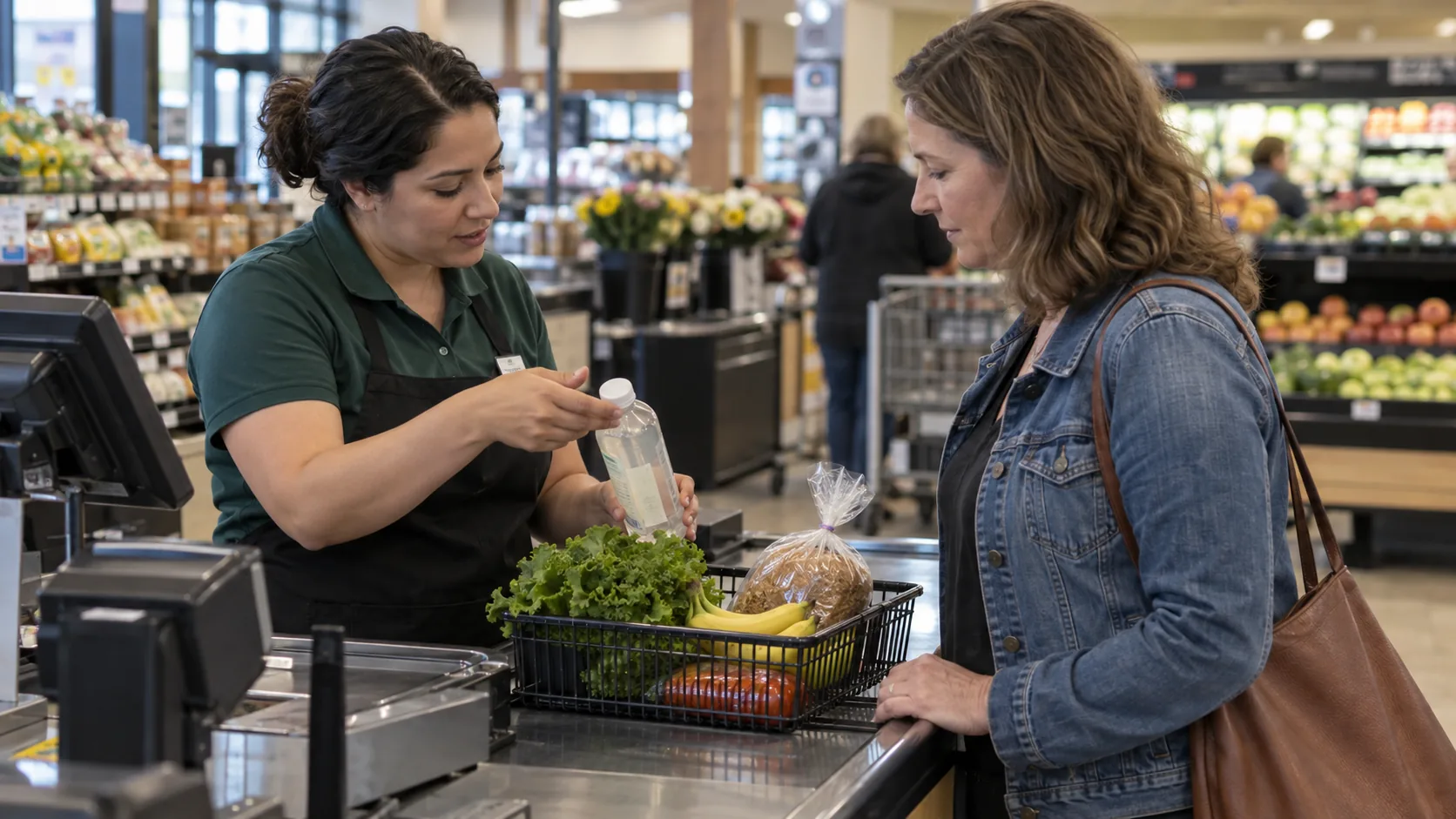
At checkout, separate the item question from the case question
Editorial analysis. Virginia’s announced November 1, 2026 change concerns a defined category of carbonated sweetened beverages. As of this October 23 check, that date is still ahead. Do not conclude that every beverage is excluded or that a particular bottle in an illustration is restricted. For an actual transaction, use the state’s definition and the retailer’s explanation of the specific product.
If a transaction fails after the change, ask whether one item is excluded, the card transaction failed more broadly, or the benefit balance is insufficient. These call for different follow-up. Keep the receipt and product details privately; ask the retailer about a product classification, while using the appropriate card or case channel for a card or eligibility issue. The state says this purchase change does not alter SNAP eligibility, monthly benefit amount or issuance schedule, and requires no extra recipient paperwork. An ineligible item can be paid for another way; that is different from a loss of the entire benefit.
Public-guidance check, October 23, 2026: we read the official SNAP Healthy frequently asked questions. We did not test a checkout system, card or product classification.
Medicaid and FAMIS: check coverage by person and effective date
DMAS lists online, telephone and paper application options, plus application assisters. CommonHelp can be useful when applying for health coverage and other benefits together. If more evidence is needed, use the method and address in the agency’s request and keep a copy. Do not send a new application simply because you have not yet received a decision on the first one; first identify what remains pending.
Medicaid for Children and FAMIS have eligibility categories different from adult Expansion coverage. Cover Virginia explains that enrolled children generally receive 12 months of continuous coverage, with listed exceptions, followed by annual review. An adult’s denial is not a decision about every child, and adult work-rule headlines should not be applied to children’s coverage.
DMAS’s current federal work-requirement guide says the new rules affect some Medicaid Expansion adults ages 19–64 beginning in 2027, with six-month reviews rather than annual reviews. The guide distinguishes new applications on or after January 1, 2027 from existing members’ renewals scheduled for March 31, 2027 or later. It lists exclusions and exemptions; it does not say all Medicaid members lose coverage on January 1.
Keep contact details current now. Read the affected person’s letter for the coverage group, renewal date and requested information. If a caregiving, medical or other exemption may apply, ask how it is recorded. Follow the renewal request even when you believe a work exemption applies. The federal-changes hub also covers other changes, including immigration-related rules; do not substitute one implementation date for another.
TANF, Diversionary Assistance and Emergency Assistance
TANF is temporary cash assistance for eligible families with children. Virginia’s programs and services page distinguishes ongoing TANF, Diversionary Assistance, Emergency Assistance and VIEW employment support. Tell the local department whether the problem is an ongoing income gap or a specific immediate crisis.
Diversionary Assistance is an alternative to ongoing TANF, not an extra payment with no consequences. Virginia’s diversionary-assistance law limits frequency and requires a period of waived TANF eligibility tied to the assistance granted. Before choosing it, ask for the amount, the period of ineligibility and how that period is calculated in your case. A statement that diversion does not count toward TANF lifetime limits is not the same as saying ongoing TANF remains immediately available.
Emergency Assistance has different qualifying circumstances. Ask the department which application and evidence fit an eviction, fire or other emergency rather than assuming every urgent expense qualifies. Keep VIEW or other participation appointments separate from the cash application’s document checklist.
Child care: a portal application is not the whole process
Use Child Care VA’s family subsidy instructions for the Child Care Subsidy Program. A provider’s vendor application is a different process from a family’s request for help. Verify that you are following the family instructions.
The state benefits page explicitly says child care renewals and changes cannot be made online. Contact the local department about how to submit them. A household update entered for another CommonHelp benefit does not prove that a child care renewal or provider change was completed.
Before care begins, confirm the approved provider, service dates, schedule and any family payment. Ask what happens if work hours change or the provider charges for care outside the authorization. Keep the subsidy notice and provider agreement together so you can identify whether a later bill concerns authorization, attendance or a charge the subsidy does not cover.
Fuel Assistance: the 2026–27 application window
Norfolk’s official energy-assistance page confirms the winter 2026–27 Fuel Assistance window as October 13–November 13, 2026. This matches the state’s recurring second-Tuesday-in-October to second-Friday-in-November schedule. Apply through CommonHelp or ask your own local department about telephone or paper options; Norfolk’s drop-off address serves Norfolk, not the whole state.
Fuel, crisis and cooling assistance have different purposes and intake periods. For a disconnection or lack of heating fuel, describe the notice date and immediate need to the department and utility. Ask which component can address it now. A heating application does not automatically suspend collection, and an older cooling deadline does not describe the current heating window.
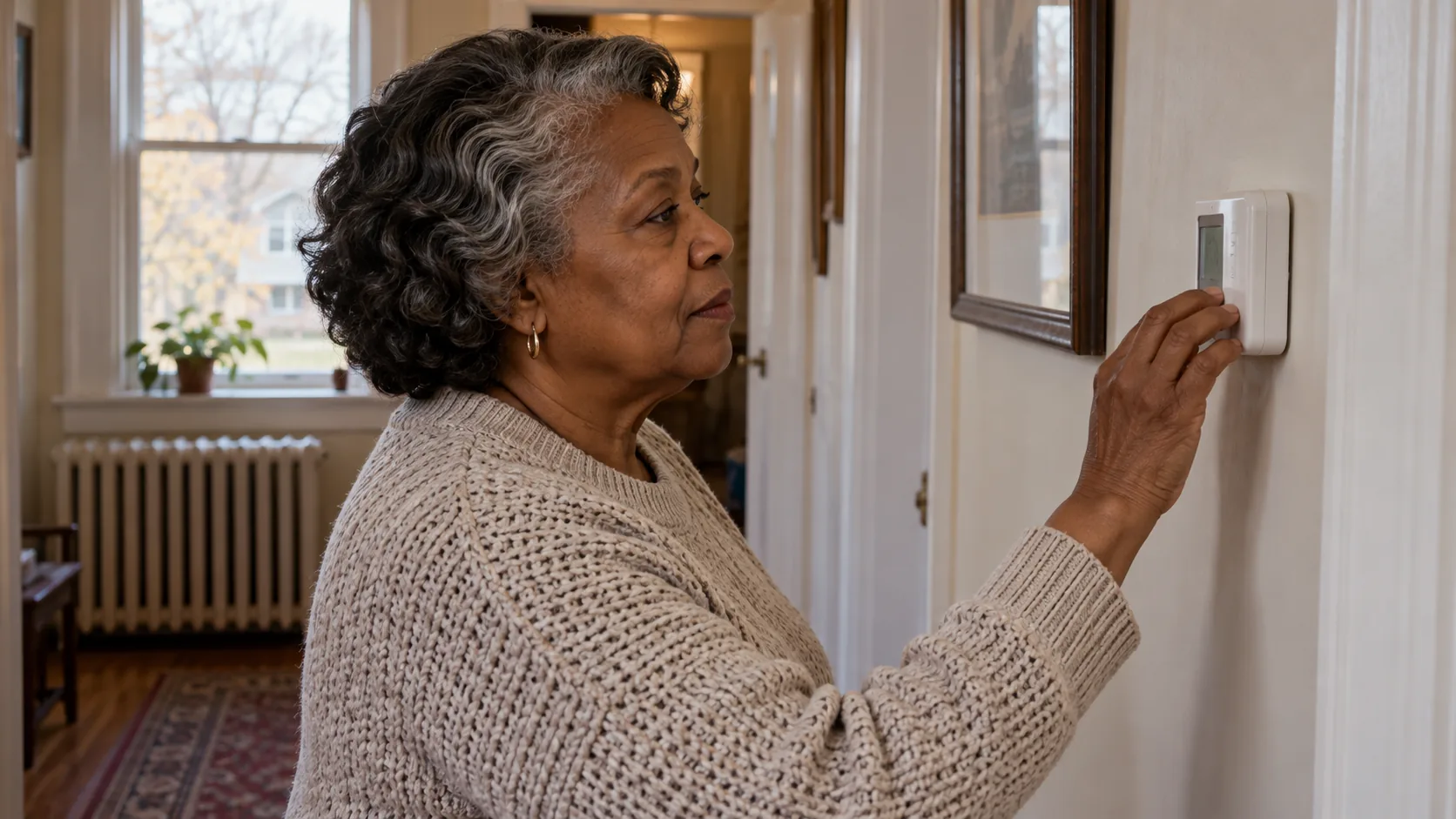
Use the fuel window to finish the right local task
Editorial analysis. Put the Fuel Assistance application window beside your own unresolved task: first application, requested evidence or a decision you do not understand. Norfolk’s current winter notice lists October 13 through November 13, 2026. Its office address is a Norfolk route, so a household elsewhere should use its own local social services contact rather than mail documents to the city simply because this example supplied a date.
Keep the submitted application record and any request for more information together. Ask the local office what remains and how to deliver that item, then separately tell the utility or fuel supplier about the bill, supply level or proposed arrangement you need clarified. Do not assume submission books a delivery, authorizes a repair or settles an overdue account. If the immediate problem is a broken heating system rather than an unpaid bill, describe that distinction when asking which assistance component can assess the need. Preserve the dates in notices while waiting for an answer.
Public-guidance check, October 23, 2026: we read Norfolk’s winter 2026–27 notice and Virginia’s Energy Assistance guidance. This is a public procedure check, not confirmation of local funding, eligibility, delivery or an award.
Housing: use the agency’s current list and a separate emergency route
HUD’s Housing Choice Voucher guide explains the local Public Housing Agency application route. Check which agencies or properties are accepting applications and whether the list is tenant-based or tied to a development. A CommonHelp benefits account does not enroll you on a voucher list.
Keep a separate confirmation and contact-update instructions for each housing application. If rent is due now, use 211 Virginia for local referrals while pursuing longer-term housing. State the locality, deadline and kind of notice. A waiting-list application may not address an eviction deadline; do not treat a referral as a commitment to pay.
VEC: certify each week and report earnings for the right week
VEC’s weekly certification guide explains that claim weeks run Sunday through Saturday. Filing the initial claim does not request every later payment. Certify promptly for each week, answering the employment, ability-to-work, work-search and job-offer questions for that actual week.
The current page warns that a weekly request more than 21 days after the prior claim week’s Saturday requires reopening the claim. Treat this as a late-filing limit, not a recommended waiting period. Older documents may show different instructions; use the current page and your account notices. VEC’s eligibility guide also requires reporting gross earnings, before deductions, for work in the week claimed. Keep a weekly work and earnings record rather than relying only on the date a paycheck arrives.
Use a small case record to avoid repeating an unfinished step
- Submission: Save the program, date and confirmation. Note which office owns it.
- Evidence: Match requested people, pay periods and due dates. Keep readable copies and upload receipts.
- Next action: Record the interview, renewal, child care change or weekly claim separately.
- Decision: Read the full notice, including the reason, effective date and review instructions. Seek help promptly if you disagree or cannot understand it.
Ask: “What exact item is still needed, where should it go, and when must it arrive?” If you disagree with a decision, follow that program’s appeal instructions rather than assuming a new application replaces the review process. Keep identity and case information in official channels and private records.
Sources and editorial scope
Official links beside each section identify the responsible agency; HUD supports housing procedures and 211 Virginia provides local referrals. Program windows and upcoming changes were checked on October 21, 2026. Local funding, waiting lists and personal eligibility can change. This guide does not promise approval, an award amount or a payment date.
FactBob is independent and does not handle benefit applications. See our About and editorial information and other state guides. When reporting a correction, identify the passage and current official source without including private case documents.